Results
Do I own the car photos Clearcoat makes?
3 min read
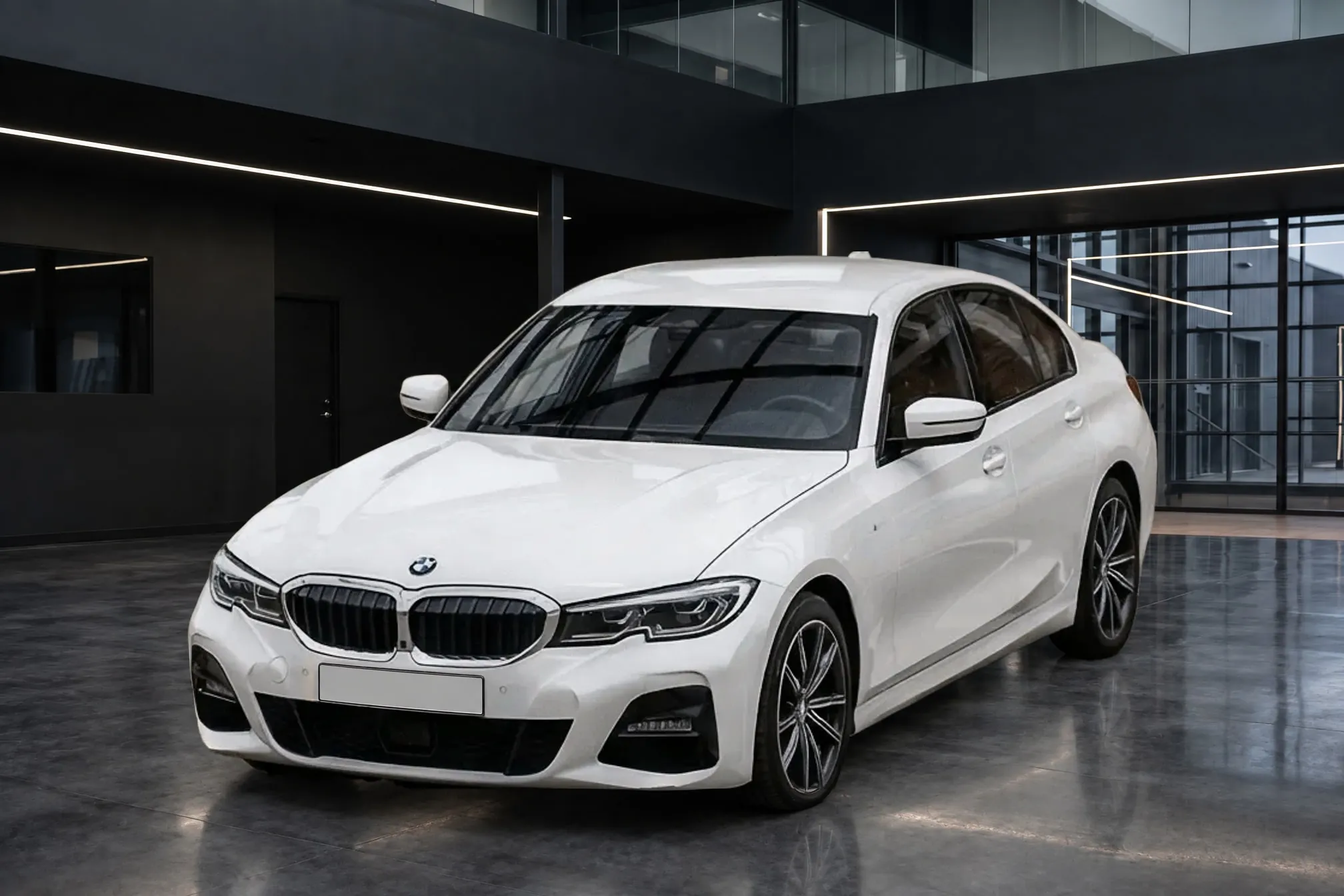
The finished photos are yours to use. Clearcoat's Terms say: "Delivered images are yours to use for any lawful purpose, including listings and advertising. We claim no ownership over them and add no watermark". Your lot photos stay yours too: "You keep ownership of your photos". Both are stored privately and never made public. Finished photos stay with your Team even after you delete their Vehicle. The one condition is about honesty: the Terms ask you not to use finished photos to misrepresent a vehicle.
Where can I use Clearcoat's finished photos?
Anywhere you would use your own photos of the car: listing sites, your dealership's website, social posts and paid ads. Clearcoat's Terms name listings and advertising, and cover "any lawful purpose". A finished photo carries no Clearcoat watermark, so it goes on a listing as it is.
Does Clearcoat keep any rights to my photos?
Only what it needs to run the service for you. The Terms grant Clearcoat a license "to host, reproduce, and process your photos and generated images, and to display them to you and your Team". That is what lets Clearcoat store a Vehicle's lot photos, make the finished photos and show them to everyone on your Team.
Where are my photos stored, and who can see them?
Clearcoat's Privacy Policy says uploaded photos and generated images "are stored in private object storage; they are not public, and access goes through the service". Inside Clearcoat, they stay with your Team: everyone on the Team shares its Vehicles, Showrooms and finished photos. Finished photos stay in the Team's library after their Vehicle is deleted, so clearing out a sold car does not remove the photos you made of it.
Why dealers ask who owns photos from a photo vendor
With a photo vendor, ownership is whatever the contract says, and it has surprised dealers before. In a 2018 DealerRefresh thread, "Photography Ownership by Third Party", ggarvin wrote: "I recently ran across a third party photo vendor who is taking the stance that they own the photos taken for the dealership. This absolutely shocked me." He recalled a large listing company taking the same stance around 2001 and backing down.
The one reply, from Steve Stauning, was blunt: "Not even a question - the dealer". He went on: "Of course, any smart third-party provider will get a perpetual license to use the photo for any purpose". So with any photo vendor, read what the agreement says on three points: who owns the photos, what license the vendor keeps, and whether the photos carry a watermark. Clearcoat's answers to all three are in its Terms, quoted above.
Can AI-generated car photos be copyrighted?
That is a separate question from your right to use them, and for AI images it turns on how much a person shaped the image. In 2025, the US Copyright Office concluded in its report on copyrightability "that the outputs of generative AI can be protected by copyright only where a human author has determined sufficient expressive elements". That can include a human-authored work that is "perceptible in an AI output", or "creative arrangements or modifications of the output", the Office said, "but not the mere provision of prompts". How that applies to a particular photo is a question for a lawyer. For putting the photos on your listings and ads, the Terms already give you the right.
What Clearcoat's Terms ask in return
Use the photos honestly, as listing sites and advertising rules also ask (see whether AI-edited car photos are allowed). The Terms say of finished photos: "Do not use them to misrepresent a vehicle's identity or condition." They also ask you to "Compare every image with your original photo before you publish it". In the Studio, switch between Showroom and Original to check that the car is the car you photographed, with its badges, wheels, trim and any damage, before the photo goes live.